

Norovirus Outbreak Break on Cruise Liner: XABT Detection Solutions Safeguard Outbreak Prevention & Control

A recent norovirus outbreak has been reported on the Caribbean Princess cruise ship operated by the US. With a total of 3,116 passengers and 1,131 crew members on board, 115 people have developed vomiting and diarrhea. The US Centers for Disease Control and Prevention (CDC) has launched an investigation, and the cruise operator has initiated full disinfection and isolation measures. The high risk of transmission in enclosed spaces has aroused global concern.
Virus Characteristics: Highly Contagious & Environmentally Resistant
- Strong environmental tolerance: Norovirus is resistant to low temperature, acid, and heat. It can remain infectious for a long time on contaminated surfaces and in frozen food, and is not easily inactivated under ordinary conditions.
- High susceptibility & repeated infections: Humans have no natural immunity to norovirus. There is insufficient cross-protection between different genotypes, so people can be infected repeatedly throughout their lifetime, making clustered outbreaks extremely common.
Transmission Routes: Multiple & Fast-Spreading
- Person-to-person transmission: Close contact with infected individuals or their vomit and feces.
- Contact transmission: Touching contaminated hands, surfaces, or utensils.
- Foodborne & waterborne transmission: Consuming food or water contaminated by the virus.
- Aerosol transmission: Inhaling droplets or aerosols produced when an infected person vomits.
Clinical Features: Sudden Onset & High Risk
- Short incubation period: Onset occurs 12–48 hours after infection, enabling rapid spread in closed groups.
- Typical symptoms: Acute "vomiting and diarrhea" as core symptoms, accompanied by nausea, abdominal pain, fever, and myalgia.
- Children: Mainly vomiting
- Adults: Mainly diarrhea
- Severe risk: Most patients recover in 1–3 days, but infants, the elderly, and immunocompromised individuals are vulnerable to severe dehydration, which can be life-threatening.
Core Prevention: Early Detection & Isolation
- Key strategy: There are no specific antiviral drugs for norovirus, and common alcohol disinfectants cannot effectively inactivate it. The core of control is early detection and early isolation to block transmission at the source.
- Asymptomatic carriers: Some infected people show no obvious symptoms but can still shed the virus, acting as hidden sources. Accurate pathogen detection is essential to identify hidden infections and prevent silent spread.
XABT Solutions
“Early Detection, Early Diagnosis, Early Isolation, Early Response” is the core principle to stop the spread of infectious diseases. To overcome limitations of traditional testing, XABT provides a full-scenario solution for pathogen surveillance, tracking, and traceability.
Simple & Efficient • Rapid Pathogen Screening
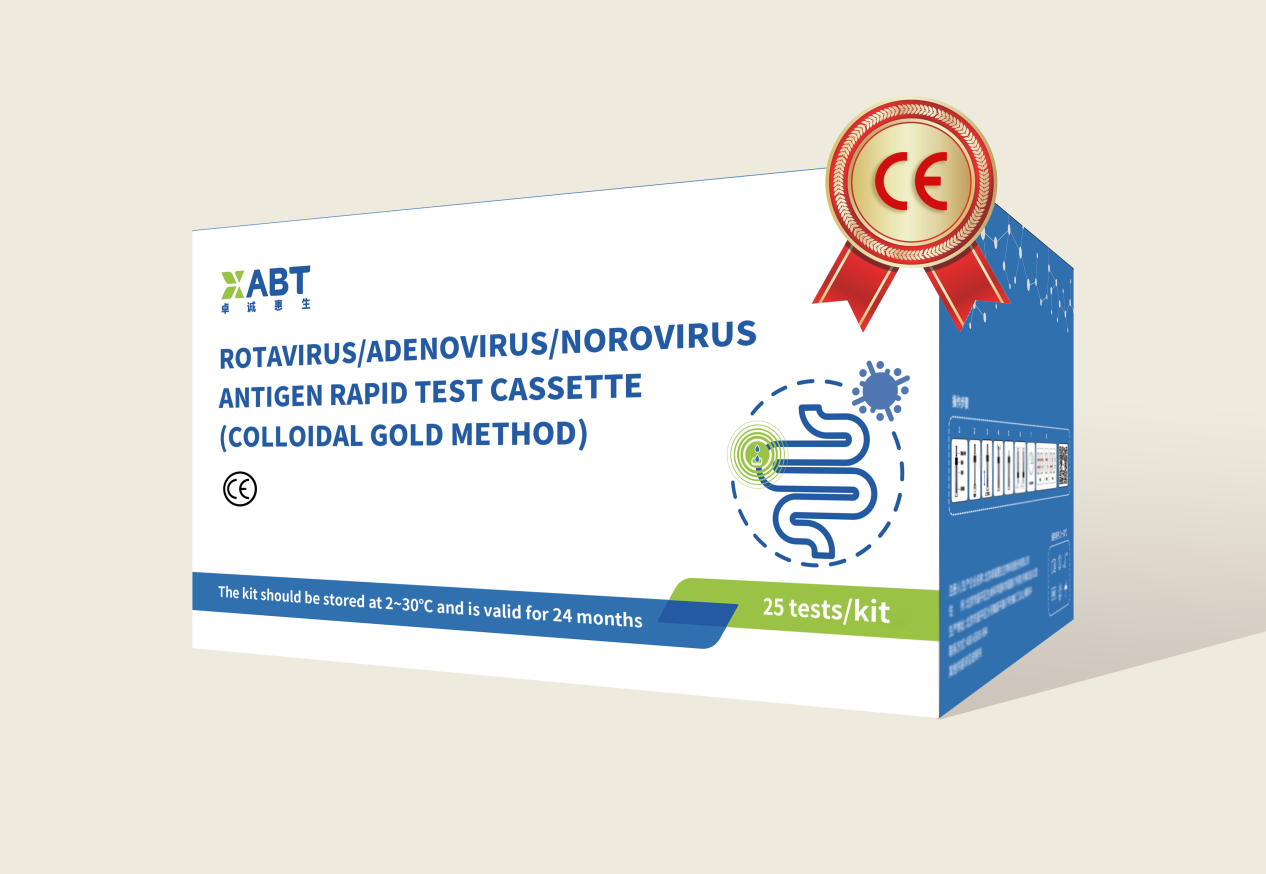

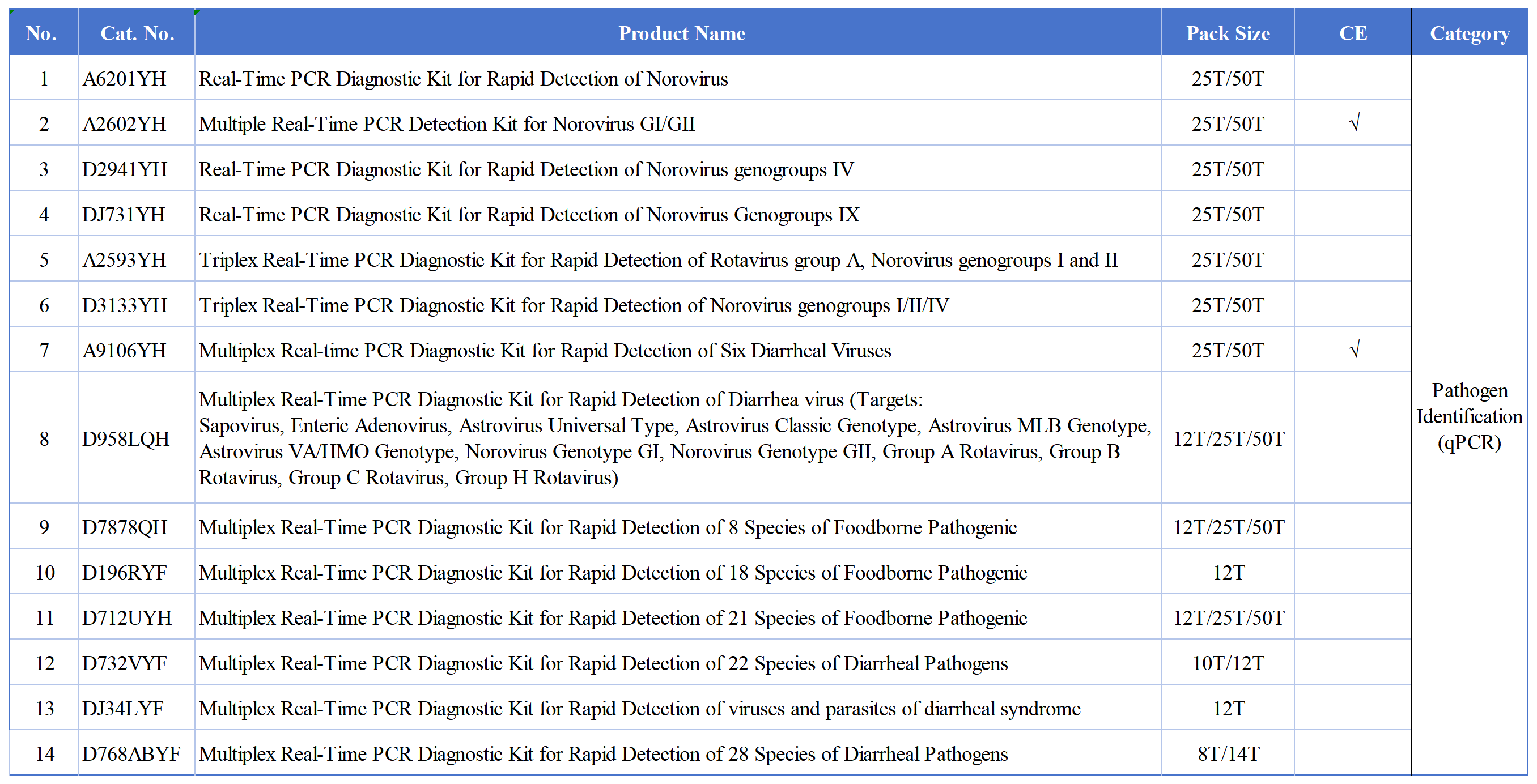
Multiplex Pathogen Nucleic Acid Detection Kit
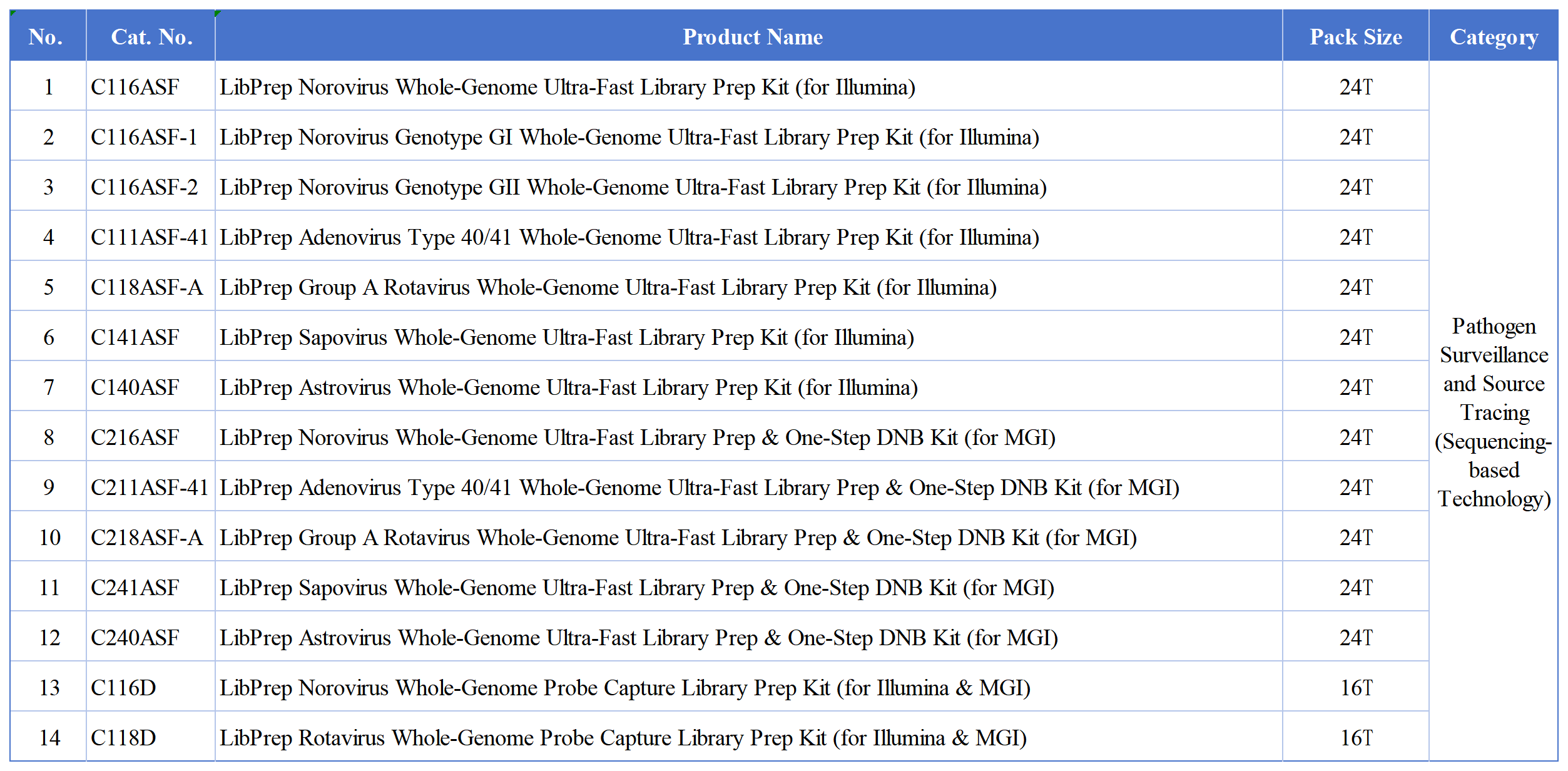
LibPrep Pathogen Capture Library Preparation Kit

Customer service consultation:+ 86-10-8193-7740
Contact Email:christian@x-abt.com
working hours:9:00-17:30

FOCUS ON US